
Improve customer flow by walking two journeys
Walk the route of a shopper on an errand and one who wants to browse.
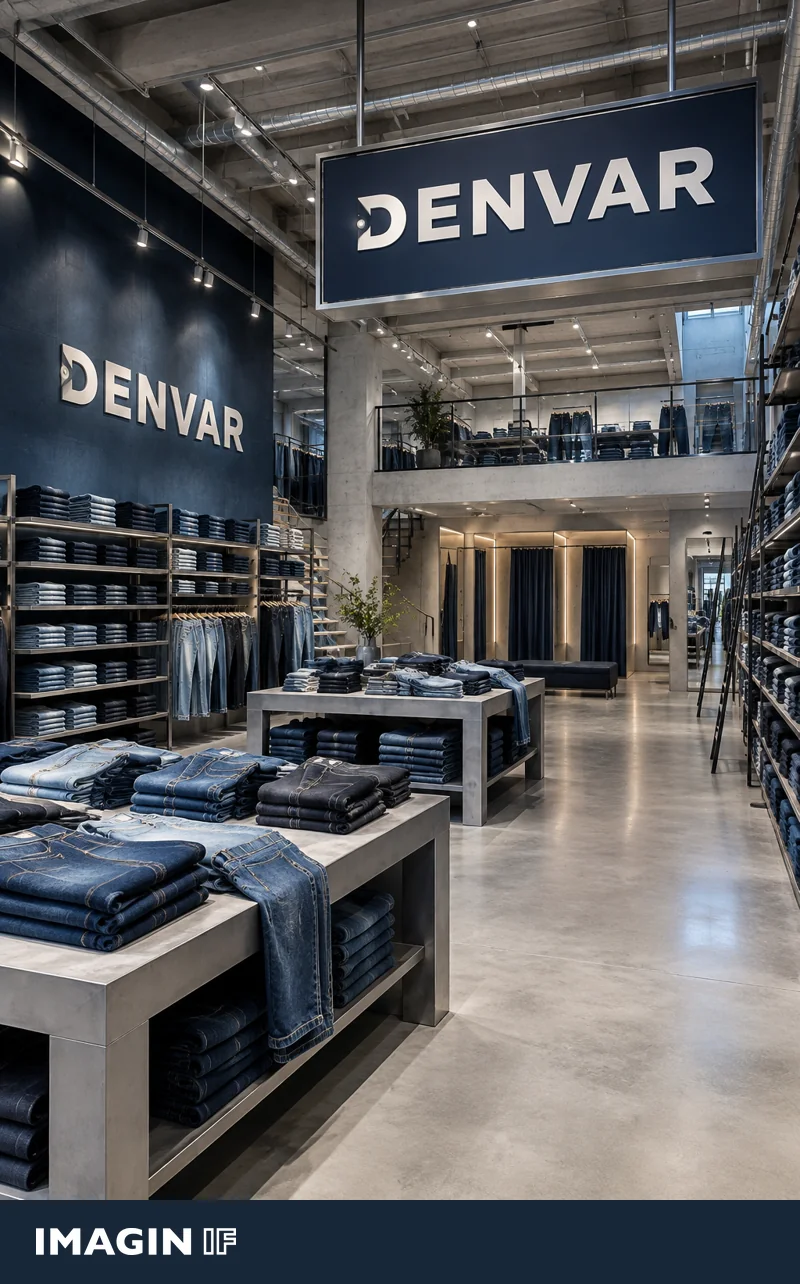
Walk through the shop twice. For the first visit, imagine you know exactly what you want. For the second, give yourself time to browse. Note where the first customer has to search and where the second naturally slows down.
Map what customers came to do
Write down where each visit begins and ends. Someone buying a specific item may go from the door to one department and then straight to the till. Someone browsing outfits may pass several collections, a display table and the fitting rooms. Map both journeys from the actual doorway. Mark where people have to choose a direction and what they can see from each point. That will show you where the layout is asking customers to work things out for themselves.
Choose an arrangement that helps the visit
Regular aisles are useful when customers need to find familiar product groups quickly. A more open arrangement gives people the freedom to browse between different displays. A loop can make use of the walls while still providing a shortcut to the till. In the DENVAR concept, compare the long walls of jeans with the tables in the centre. A table can help people get their bearings as long as it leaves a useful turn clear.
Regular aisles and clear product groups can make a large range easier to navigate. A more open arrangement gives boutique customers a choice of where to start. A loop along the walls can help people discover more of the collection. Check that someone coming for a single item can still reach the relevant area and the till easily.
Look for the same bottleneck at two different times
Watch for a few minutes when the shop is quiet and again when it is busy. Note where people stop, have to pass one another or ask where to find something. A queue can block a route that works well between busy periods. Move one table temporarily or try a different waiting position. Then walk both journeys again. Keep the change that makes the route easier to understand while leaving the display useful.
Test one change where both journeys become awkward. Try moving a promotional table that blocks the view of the next department, then walk the same two routes again.
Does everyone need to take the same route?
Think about the type of visit. Someone collecting an order probably wants a direct path. Someone trying on clothes is more likely to go back and forth between the rail and the fitting room. A clear main route with a visible shortcut can serve both. Check how customers get back as well. People often return for a different size or an alternative. If every visit depends on the same narrow passage, see whether turning a display or moving a landmark would give customers another clear option.