
Shop lighting: decide what customers should notice first
Use light to make a chosen product, your doorway and important details easier to see.
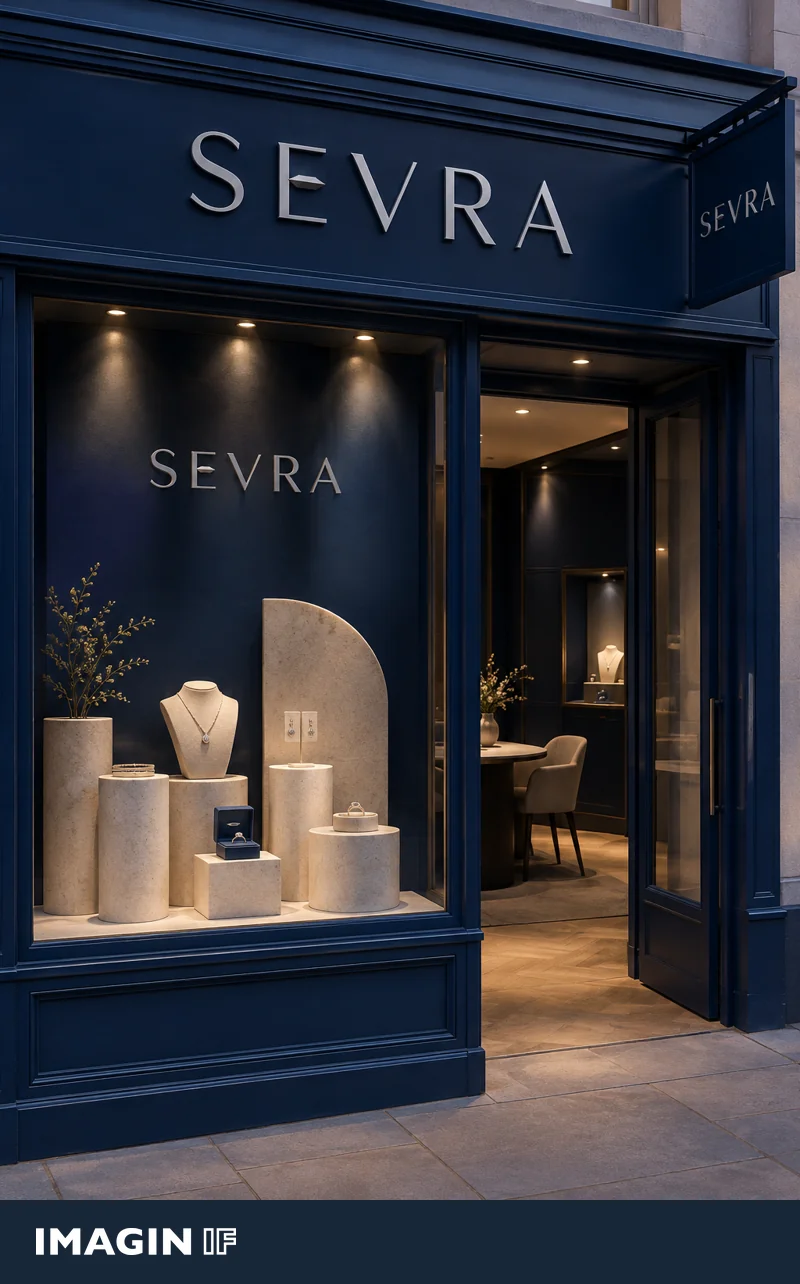
Look at your shop from the street at dusk. Do you notice the light fitting or the product you want to show? Use that question to review one area at a time.
Light the window, doorway and shop floor for different tasks
An accent in the window directs attention to an item. At the door, light can make the way in easier to see. On the floor, it helps people look at and compare products. Walk through the three areas in order and write down what catches your eye first each time. A bright patch next to the entrance can compete with the doorway you want people to notice.
Look at the light from the customer’s position
Stand where a passer-by approaches the window and check again as it gets darker outside. If you see a light source reflected in the glass, try changing the angle of the accent or moving it out of the line of sight. In the SEVRA concept, concentrated light draws out small pieces of jewellery against a darker setting. For clothes, try comparing two options in similar positions. One jacket can look better than the other simply because the light falls differently.
Start at the window and choose one product or arrangement people should see from the pavement. Next, look at the doorway. A clear view inside helps people recognise the entrance and see what awaits them. Finally, stand where a customer would compare products. Are their colours, materials and prices easy to see across the different options?
Compare one change at a time
Use the current lighting as a baseline. Keep the product, background and viewing angle steady while comparing an accent. Look at what happens when one object receives more light or a glossy background gives way to a matte one. Take photos from the same place and keep the exposure the same if you can. Choose the version that clarifies the featured product while keeping the rest of the display legible. Use a visual concept to agree on a direction, then have the positioning and fittings checked on site before installation.
Compare two views from the same spot. Show the entire window evenly lit in one and use a light accent to pick out a specific display in the other. Check what catches your eye first and whether you can still see the rest.
How can you add light without making the window look busy?
Several equally bright spots create several competing points of attention. Try one accent and see which surfaces it lights along the way. More light might make the box behind a product easier to see while the glossy product itself disappears in the reflection. Take a photo from outside and ask someone to point to what caught their eye first. If a label or price beside the product is essential to understanding the offer, make sure it remains legible as you change the lighting.